
Kapalbhati Pranayama Risks, Limitations
Why Some People Should Not Do Kapalbhati: Risks, Limitations, and Safer Alternatives
Kapalbhati is promoted as a cure-all in videos, TV shows, and park groups. Less often mentioned is the other side: it is a forceful practice that changes breathing, blood pressure, and abdominal pressure, and it does not suit everyone. Understanding its limits is as important as learning the technique.
This article covers who should not do Kapalbhati, why, what the research shows about its risks, and what its real limitations are.
First, a Fair Perspective
Kapalbhati is not dangerous for most healthy adults when practiced gently, correctly, and in moderation. Some websites go too far in the other direction and claim it causes brain damage or heart attacks in ordinary people. The evidence does not support that.
The accurate picture is this: Kapalbhati is a vigorous practice with real physiological effects, and for certain people those effects are a reason to avoid it. The sections below separate what is documented from what is exaggerated.
What Kapalbhati Does to the Body
Kapalbhati uses sharp, forceful exhales driven by the lower abdomen, with a passive inhale. In a minute, you may take 60 to 120 of these strokes. That pace has several effects:
- Pressure inside the abdomen and chest rises with every stroke.
- Heart rate and blood pressure go up.
- You breathe out far more carbon dioxide than usual, which can cause lightheadedness and tingling.
- The diaphragm and abdominal muscles work hard and repeatedly.
For a healthy person, the body adapts. For someone with a heart, lung, eye, brain, or abdominal condition, these changes can be unwelcome or unsafe.
What Does the Research Say?
Research on Kapalbhati risks is limited, and much of it comes from small studies in healthy volunteers. Here is what exists, with links to the sources.
1. Blood pressure and heart rate rise during the practice. In a study of 20 healthy adults, five minutes of Kapalbhati produced significant increases in systolic and diastolic blood pressure, mean arterial pressure, heart rate, and cardiac output, along with a reduction in pulse interval. The researchers noted that Bhastrika and Kapalbhati produced similar cardiovascular changes. These were healthy people, so the effect in someone with hypertension or heart disease could be more significant. This is the main reason the practice is discouraged for those groups.
Source: Evaluation of Cardiovascular Functions during the Practice of Different Types of Yogic Breathing Techniques (International Journal of Yoga, 2021)
2. Blood flow velocity in the brain changes during the practice. A doctoral thesis on healthy volunteers used transcranial Doppler to measure blood flow in the brain’s arteries. It reported significant reductions in end-diastolic and mean flow velocity during Kapalbhati, alongside the cardiovascular changes. This is thesis-level research, not a peer-reviewed trial, and it was in healthy people, so treat it as a signal for caution rather than proof of harm. It does fit the traditional advice that people with vertigo, epilepsy, stroke history, or aneurysm should avoid forceful breathing practices.
Source: Impact of Selected Pranayama Techniques and a Yogic Kriya on Cerebrovascular Hemodynamics and Cardiovascular Functions in Healthy Volunteers (thesis)
3. A rare but documented case of lung collapse. A case report in the journal Chest described a healthy 29-year-old woman who developed a spontaneous pneumothorax (collapsed lung) after vigorously performing Kapalabhati. The authors noted that it was the only such case on record, that the woman’s and her instructor’s level of training was unclear, and that the case shows adverse effects can occur if the body is pushed to physiological extremes. One case does not make Kapalbhati dangerous for everyone, but it is a good reason to build up slowly.
Source: Kapalabhati pranayama: breath of fire or cause of pneumothorax? A case report (Chest, 2004, PubMed)
How to Read This Research
The evidence is thin in both directions. There is no large trial showing that Kapalbhati harms healthy people, and no trial showing that it is safe for people with heart, lung, eye, or brain conditions. The sensible conclusion is the traditional one: if you belong to a higher-risk group, avoid it or get medical clearance.
Who Should Not Do Kapalbhati
Avoid Kapalbhati, or practice only with your doctor’s approval and expert supervision, if you have any of the following.
1. High blood pressure or heart disease. As the research shows, blood pressure and heart rate rise during practice. For someone whose cardiovascular system is already under strain, that is a risk not worth taking.
2. Pregnancy. Forceful abdominal contractions put repeated pressure on the abdomen and uterus. Avoid it entirely.
3. Hernia, ulcers, or recent abdominal or chest surgery. The pumping action can aggravate these conditions or disturb healing.
4. Epilepsy or a history of seizures. Rapid breathing and the associated changes in carbon dioxide are traditionally considered a trigger risk.
5. Stroke history, aneurysm, or serious brain conditions. Changes in pressure and cerebral blood flow make forceful breathing a poor choice.
6. Glaucoma, retinal problems, or recent eye surgery. Pressure changes may affect the eyes.
7. Vertigo or frequent dizziness. Hyperventilation can worsen it.
8. Asthma, COPD, or other chronic lung conditions. Forceful breathing can trigger symptoms. Only practice with medical approval.
9. Slipped disc or severe back problems. The repeated abdominal contraction can strain the spine.
10. Panic attacks or severe anxiety. Fast breathing can mimic or trigger panic symptoms.
11. Menstruation, if it causes discomfort. Many teachers advise resting on heavy days.
12. Acid reflux flare-ups or a full stomach. The pumping can bring on nausea and discomfort.
Warning Signs to Stop Immediately
Stop and return to normal breathing if you feel:
- Dizziness or lightheadedness
- Tingling in the hands, feet, or around the mouth
- Chest pain or tightness
- Nausea
- A pounding headache
- Sharp pain in the abdomen or chest
- Blurred vision
If chest pain, shortness of breath, or severe symptoms do not settle quickly, seek medical help.
The Real Limitations of Kapalbhati
Even for people who can safely practice it, Kapalbhati has limits that popular claims often ignore.
It does not cure diseases. Claims that it cures diabetes, thyroid problems, cancer, or heart blockages are not supported by reliable evidence. It cannot replace medical treatment.
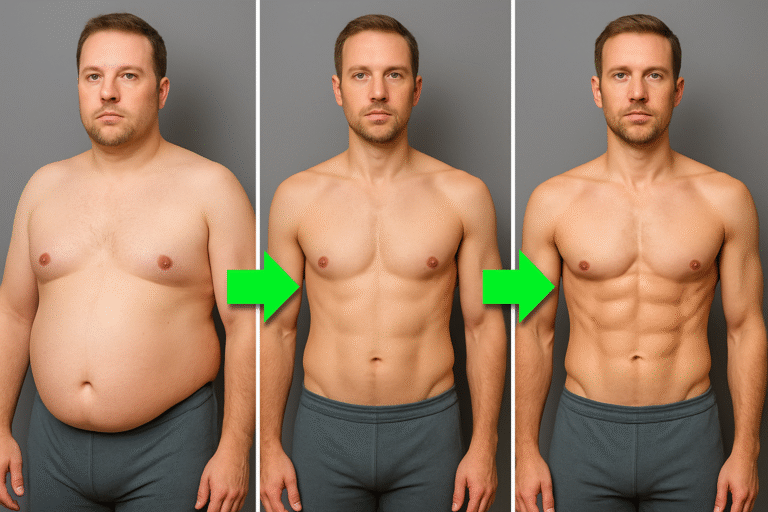
It is not a fat-loss shortcut. It uses little energy compared with real exercise, and promises like “lose belly fat in seven days” are marketing. Weight management still depends on diet, sleep, and activity.
The research is small and short-term. Most studies involve small groups of healthy volunteers over short periods. Long-term benefits and risks are poorly studied.
Technique decides everything. Moving the chest and shoulders, forcing the inhale, going too fast, or tensing the face turns a useful practice into a strain. Many people learn it from videos without correction.
More is not better. Long, aggressive sessions invite hyperventilation, dizziness, and strain. Moderation matters.
It is stimulating, not calming. If your goal is to relax or sleep better, Kapalbhati works against you, especially in the evening.
Learning it takes time. Controlling the lower abdomen takes weeks, and almost everyone feels clumsy at first.
Safer Alternatives
If Kapalbhati is not suitable for you, these gentler practices give many of the calming and focusing benefits without the intensity:
- Anulom Vilom: slow alternate nostril breathing, balancing and calming.
- Bhramari: humming breath, good for soothing the mind.
- Dirgha (three-part breath): deep belly breathing for relaxation.
- Ujjayi: soft, slow breathing with a gentle throat sound.
Check with your doctor before starting any of them if you have a medical condition.
If You Decide to Practice Kapalbhati
- Get medical clearance if you have any condition on the list above.
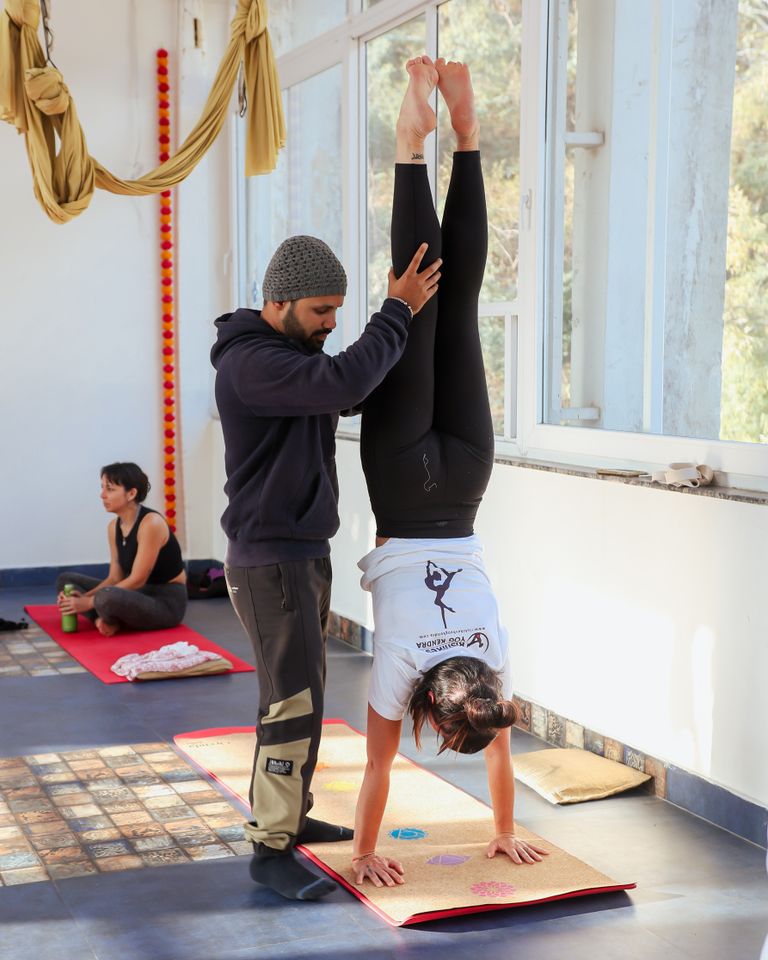
- Learn from a qualified teacher first, at least for a session or two.
- Practice on an empty stomach, ideally in the early morning.
- Start with 3 rounds of 20 strokes, about one stroke per second.
- Keep shoulders, chest, and face still. The movement is in the lower belly.
- Rest between rounds with normal breathing.
- Build up over weeks, not days.
- Stop at the first warning sign.
The Bottom Line
Kapalbhati is not a villain, and it is not a miracle. It is a vigorous breathing practice that raises heart rate and blood pressure, changes breathing chemistry, and puts pressure on the abdomen. For healthy people who practice gently and correctly, it is generally manageable. For people with cardiovascular, respiratory, abdominal, eye, or neurological conditions, or who are pregnant, it is best avoided unless a doctor approves.
When in doubt, choose the gentler practice. The goal of pranayama is a steadier body and calmer mind, not pushing the body to its limits.