Personal Yoga Classes at Home
Personal Yoga Classes at Home: Benefits, What to Expect, and How to Choose the Right Instructor
Group classes work for many people, but they have limits. The instructor cannot watch everyone at once, the pace is set for the average student, and getting to class on time can be the hardest part of the practice. Personal yoga classes at home remove those barriers. A trainer comes to your living room, builds the session around your body and goals, and corrects your technique in real time.
This guide covers what home yoga classes are, who they suit, what the research says, and how to choose an instructor and get the most out of your sessions.
What Are Personal Yoga Classes at Home?
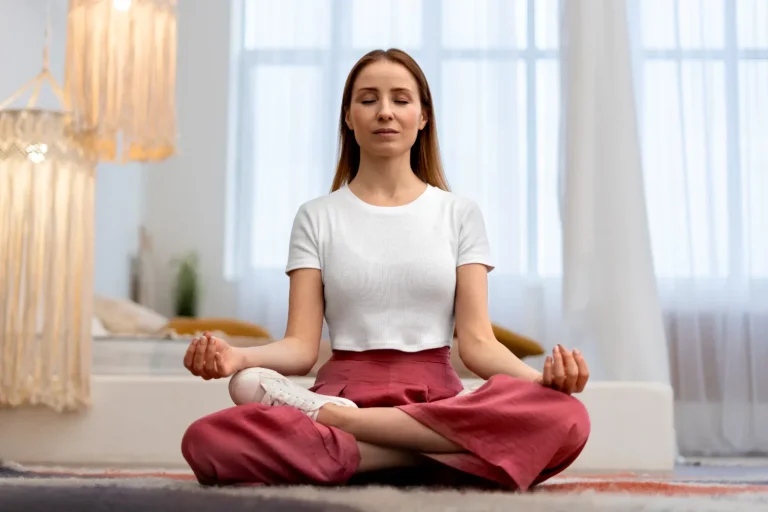
A personal yoga class is a one-on-one (or small private group) session with a trained instructor, held in your own space. You do not travel, share a room with strangers, or follow a class plan made for twenty people.
Sessions usually run 45 to 60 minutes and include a short warm-up, asanas, breathing practice (pranayama), and relaxation. What changes from person to person is the content. A beginner with a stiff back, a busy professional dealing with stress, and a senior working on balance would all get different plans.
Who Benefits Most from Home Yoga?
- Beginners who feel awkward in a group and want to learn the basics properly.
- People with limited time who cannot fit in travel plus class time.
- Busy parents and professionals who need a fixed, protected slot in their day.
- Seniors who want gentle, supervised practice without the pressure of keeping up.
- People with specific goals, such as flexibility, posture, stress relief, or weight management.
- Those recovering from a sedentary period, who need a careful, gradual restart.
- Families who want to practice together at one time.
If you have a medical condition, an injury, or are pregnant, a private session is often safer because the instructor can adapt every pose. Always get your doctor’s approval first.
Potential Benefits of Personal Yoga at Home
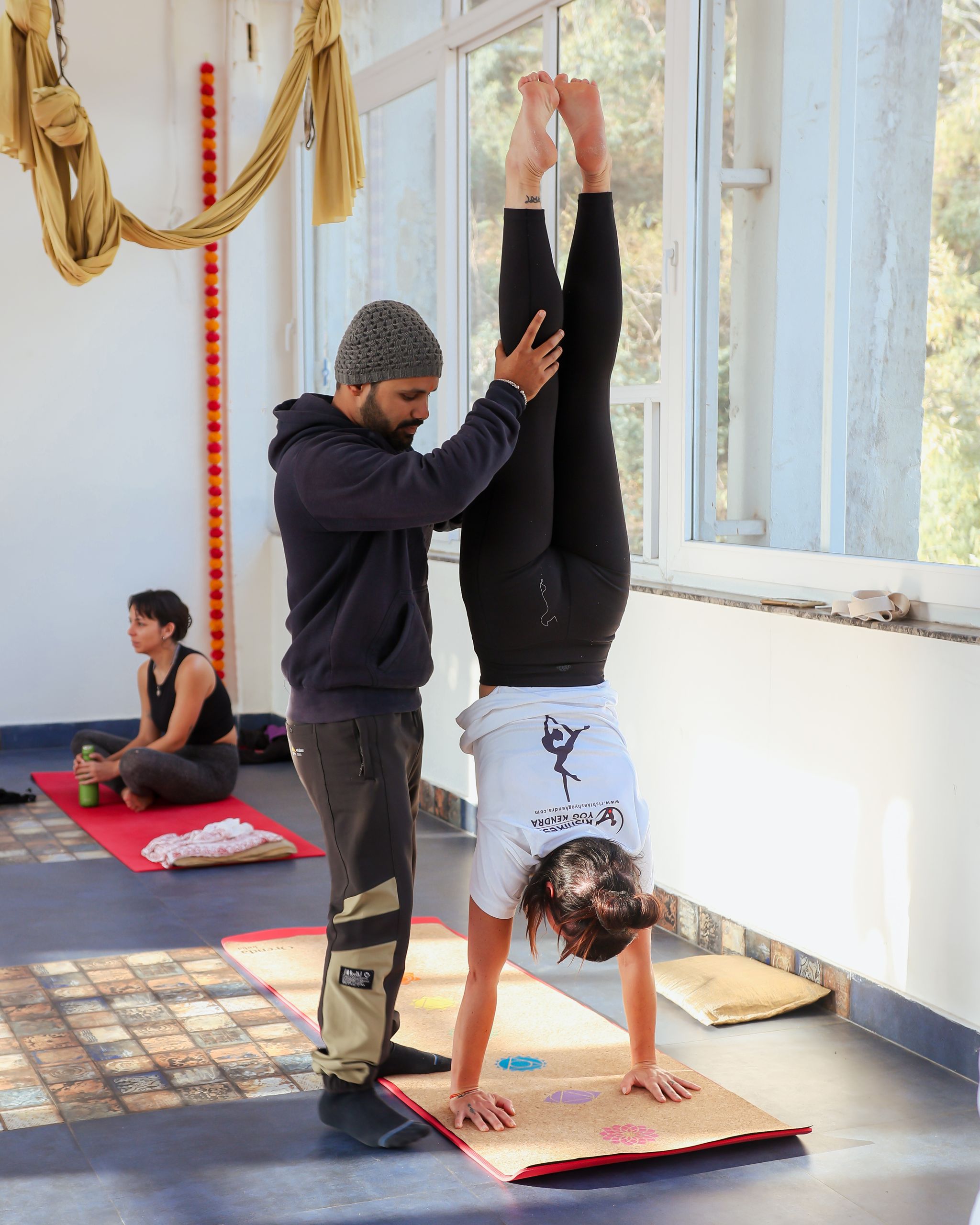
1. Individual attention. The instructor can see your alignment, breathing, and effort level the whole time, and correct small errors before they turn into habits or strain.
2. A plan built around you. Stiff hips, tight shoulders, a weak core, a restless mind: the session can focus on what you actually need.
3. Convenience. No commute, no parking, no rushing. That alone makes it far more likely you will actually show up.
4. Comfort and privacy. Many people practice better when they are not worried about being watched or compared.
5. A steady routine. A fixed time each week with a person expecting you is a strong anchor, especially when motivation dips.
6. Practice that fits your home. You learn to use your own space, so it is easier to continue on days without a class.
7. Flexible pace. If a pose needs ten extra minutes, you can take them. If you are tired, the session can slow down.
What Happens in a Typical Session?
A 60-minute personal class often looks like this:
- Check-in (5 minutes). The instructor asks about your energy, sleep, aches, and goals for the day.
- Warm-up (10 minutes). Joint rotations, gentle stretches, and simple movements to prepare the body.
- Asana practice (25 to 30 minutes). Standing, seated, and floor poses chosen for your level, with alignment cues and modifications.
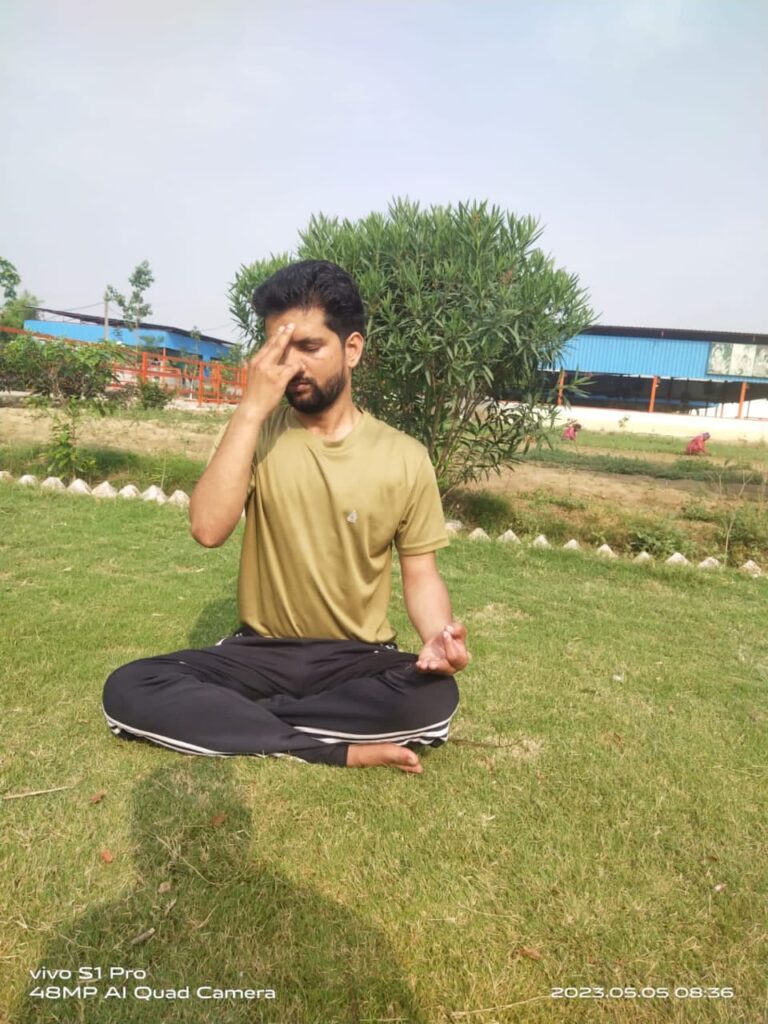
- Pranayama (8 to 10 minutes). Breathing practices such as Anulom Vilom or Bhramari, selected for your health and experience.
- Relaxation (5 to 8 minutes). Savasana or guided relaxation to settle the nervous system.
- Wrap-up (2 minutes). A short plan for what to practice between sessions.
At the first session, expect more questions than movement. A good instructor will ask about injuries, medical history, and goals before they ask you to bend anywhere.
How to Prepare Your Space
You do not need a studio. You need:
- A clear floor area about the size of a yoga mat plus arm’s reach on each side.
- A non-slip yoga mat. A towel or thin carpet underneath helps on hard floors.
- Quiet and ventilation. Switch off the TV, silence your phone, and open a window if possible.
- Comfortable clothing that lets you stretch freely.
- Optional props: a cushion or folded blanket, a strap (a dupatta or belt works), and a wall for support.
- An empty or light stomach. Eat 2 to 3 hours before class.
- Water nearby, but sip between poses, not during.
Move fragile items out of the way, and let the household know you will be busy for an hour.
How to Choose the Right Instructor
This matters more than the style of yoga. A poor instructor can do real harm in a private setting because no one else is watching.
Check their training. Look for a recognized yoga diploma, degree, or teacher-training certification, and ask where they studied. A reputable instructor will answer without hesitation.
Ask about experience. Ask how long they have taught, and whether they have worked with students like you: beginners, seniors, people with back pain, pregnant women, or whatever applies.
Look for a health intake. A responsible instructor will ask about your medical history, injuries, and medications before starting.
Ask how they adapt poses. The answer should include modifications, props, and a willingness to skip poses that do not suit you.
Request a trial session. One session tells you more than any profile. Notice whether they correct gently, explain clearly, and respect your limits.
Check the logistics. Confirm timing, cancellation rules, travel, and how they handle missed classes before you commit.
Red Flags
- Promises of fast cures for serious conditions
- Pushing you into painful poses or telling you to “push through”
- No questions about your health
- Pressure to sign up for a long package right away
- Dismissing your doctor’s advice
Common Mistakes to Avoid
Skipping the health conversation. Tell your instructor everything relevant, including old injuries and medications.
Pushing too hard in week one. Soreness is normal. Sharp pain is not.
Practicing only during class. Even 10 minutes on non-class days makes a visible difference.
Comparing yourself to others. Your private class is about your body, not anyone else’s.
Choosing the instructor by price alone. Cheap and unqualified costs more if it ends in an injury.
Eating a heavy meal beforehand. It makes twists and forward bends uncomfortable.
Quitting after a few weeks. Yoga rewards patience. Give it at least two to three months before judging.
Safety Considerations
Yoga is generally gentle, but a few groups should take extra care and get medical clearance first:
- High blood pressure or heart disease
- Pregnancy
- Recent surgery or injury
- Disc problems or severe back pain
- Glaucoma or eye conditions
- Epilepsy or vertigo
- Chronic respiratory conditions
Stop and tell your instructor immediately if you feel sharp pain, dizziness, chest discomfort, or numbness.
Getting the Most Out of Your Classes
- Be consistent. Two or three sessions a week usually works better than one long, irregular session.
- Set one clear goal, such as better posture, less stress, or improved flexibility, and review it monthly.
- Practice between classes. Ask your instructor for a short routine you can repeat on your own.
- Give honest feedback. If a pose hurts or the pace is wrong, say so.
- Track simple signs of progress, like how far you can reach, how you sleep, or how you feel at the end of the day.
- Combine with breathing practice. Short pranayama sessions fit easily into the days between classes.
The Bottom Line
Personal yoga classes at home are not magic, and they do not need to be. They give you something group classes often cannot: attention, adaptation, and a routine that fits into your real life. The research on yoga is encouraging but modest, and it points to the same conclusion: a qualified instructor and consistent practice matter more than any single pose.
Choose your instructor carefully, tell them the truth about your health, start gently, and give it time. The best yoga class is the one you actually keep attending.