
Yoga for Belly Fat Loss
Yoga for Belly Fat Loss: What Works, What Doesn’t, and a Practical Plan
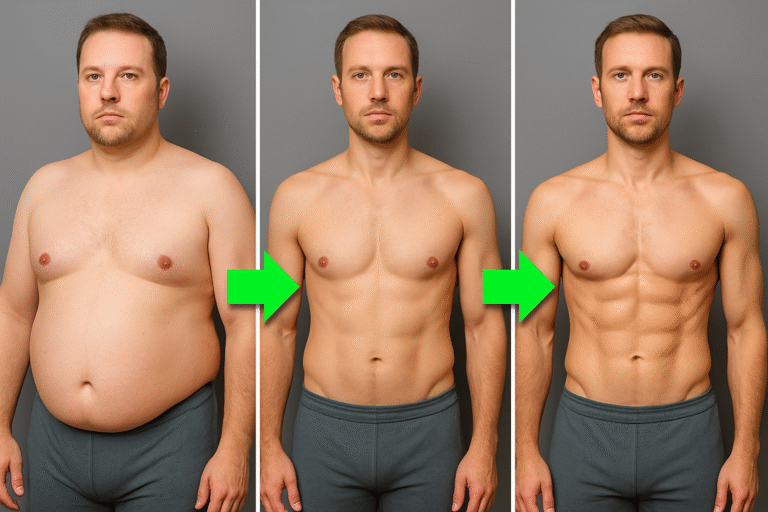
Belly fat is the most searched-for body goal in yoga, and the most oversold. Videos promise a flat stomach in seven days from a handful of poses. That is not how fat loss works, and it is worth knowing why before you start, because the truth actually leads to a better plan.
This guide covers why spot reduction is a myth, five practices that support belly fat loss, a weekly plan, the habits that decide the result, and what the research shows.
The Truth About Belly Fat
You cannot burn fat from one area. Doing abdominal poses strengthens and tones the muscles underneath, but it does not pull fat specifically from the belly. Your body decides where fat comes off, and for many people the belly is the last place it goes.
Belly fat comes down when overall body fat comes down. That depends mostly on four things:
- Food: a modest calorie deficit with enough protein and fiber.
- Movement: regular exercise plus daily walking.
- Sleep: 7 to 8 hours, since short sleep increases hunger and cravings.
- Stress: chronic stress is linked with overeating and poor sleep.
Yoga can support all four: it burns energy, builds muscle, improves sleep and stress for many people, and builds a routine. It is a helper, not a shortcut.
Before You Begin
- Warm up for 5 minutes: cat-cow, shoulder rolls, hip circles, and a few slow sun salutations.
- Empty or light stomach. Wait 2 to 3 hours after a meal.
- Mat, loose clothing, water nearby.
- Check with your doctor first if you have a heart condition, high blood pressure, diabetes, back or joint problems, a hernia, or are pregnant.
- Avoid crash dieting. Starving yourself makes vigorous practice unsafe and the weight comes back.
The 5 Practices
1. Surya Namaskar (Sun Salutation)
Why it helps: A flowing sequence of twelve poses that raises your heart rate and works the whole body, including the core.
How to do it:
- Stand in Tadasana, palms together.
- Inhale, raise arms. Exhale, fold forward.
- Inhale, half lift. Exhale, step back to plank.
- Lower down, inhale into Cobra. Exhale into Downward Dog.
- Step forward, half lift, fold, rise, and return to Tadasana.
Dose: 6 rounds at first, building to 12. Move at a steady, controlled pace.
2. Utkatasana (Chair Pose)
Why it helps: It loads the thighs and glutes, the largest muscles in the body, which makes it demanding for its size, and the core works to keep you upright.
How to do it:
- Stand with feet together or hip-width apart.
- Bend the knees and sit back as if lowering into a chair, chest lifted.
- Raise arms overhead, weight in the heels.
- Hold for 30 seconds, then pulse up and down 10 times.
Dose: 3 rounds, resting 20 seconds between. Build up to 45 to 60 seconds.
Tip: If your knees hurt, come up a little and keep them tracking over the toes.
3. Phalakasana (Plank)
Why it helps: It trains the core, shoulders, and arms together, and teaches you to brace the abdomen without holding your breath.
How to do it:
- Start with wrists under shoulders, body in one straight line.
- Draw the navel toward the spine and squeeze the glutes.
- Hold for 20 to 30 seconds, breathing steadily.
- Lower the knees to rest.
Dose: 3 rounds, building to 45 to 60 seconds.
Tip: Do not let the lower back sag or the hips rise. Drop the knees if your form breaks down.
4. Navasana (Boat Pose)
Why it helps: It strengthens the deep core and hip flexors, which supports posture and a firmer midsection.
How to do it:
- Sit with knees bent, feet on the floor.
- Lean back slightly and lift the feet so the shins are parallel to the floor, spine long.
- Extend the arms forward. If strong, straighten the legs.
- Hold for 20 to 30 seconds.
Dose: 3 rounds, building to 45 seconds.
Tip: If the back rounds or the belly bulges outward, bend the knees and shorten the hold.
5. Dhanurasana (Bow Pose)
Why it helps: It stretches the front of the body and engages the back muscles, with the belly pressing against the floor.
How to do it:
- Lie on your stomach, bend the knees, and hold the ankles.
- Inhale, lift the chest and thighs, pulling the feet away from the hips.
- Keep the gaze forward and the breath steady.
- Hold for 10 to 20 seconds, then lower.
Dose: 3 rounds.
Tip: Skip this pose with a hernia, recent abdominal surgery, pregnancy, high blood pressure, or back injury.
A Simple Weekly Plan
- Monday, Wednesday, Friday: 5-minute warm-up, 8 to 10 rounds of Surya Namaskar, 3 rounds each of practices 2 to 5, 5-minute cool-down. About 40 minutes.
- Tuesday, Thursday: 20 to 30 minutes of brisk walking or light cardio, plus a few minutes of gentle stretching.
- Saturday: Longer session or a gentle class, including slow breathing.
- Sunday: Rest, with a relaxed walk.
Beginners should start with 3 sessions of 20 to 30 minutes and build gradually.
The Habits That Decide the Result
- Eat protein and vegetables at each meal, and cut back on sugary drinks, fried snacks, and late-night eating.
- Keep a modest calorie deficit rather than a drastic one.
- Walk daily, 30 to 45 minutes if you can.
- Sleep 7 to 8 hours.
- Manage stress with breathing, a short evening routine, or time outdoors.
- Measure your waist every two weeks rather than weighing yourself daily. Daily weight swings are mostly water.
- Be patient. Visible belly changes usually take weeks to months.
Common Mistakes
- Doing only ab poses and expecting the belly to shrink.
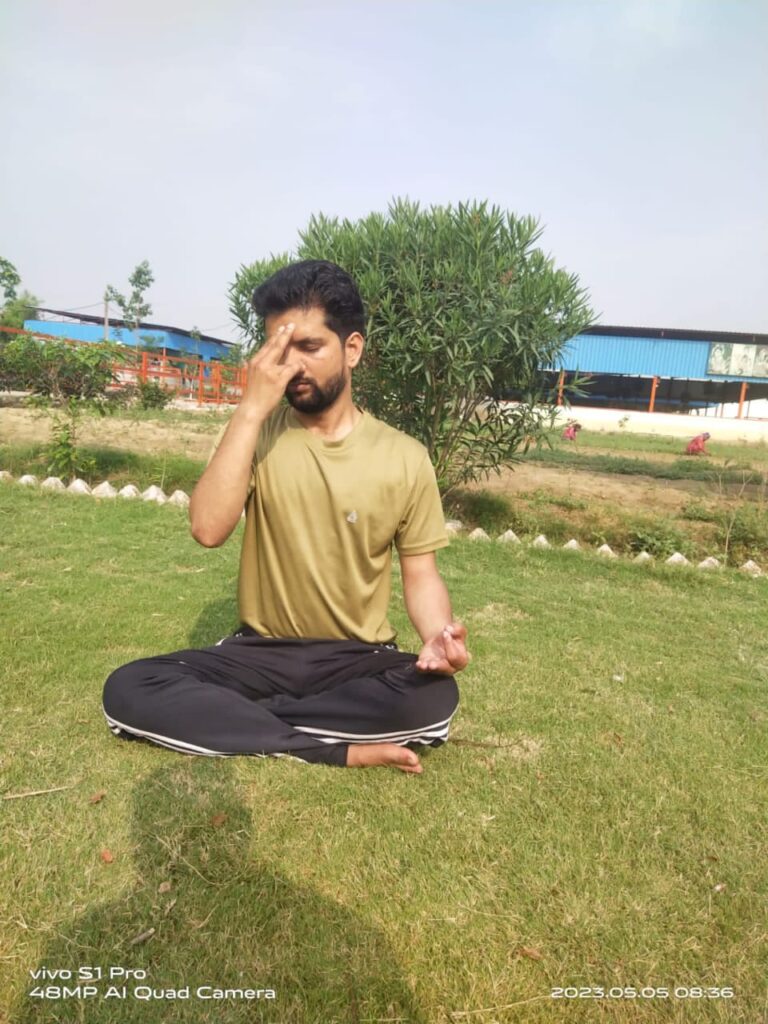
- Relying on Kapalbhati as a fat burner. It is a breathing practice, not a calorie burner, and it is unsuitable for many people.
- Rushing and sloppy form, which leads to wrist, shoulder, knee, and back strain.
- Holding the breath in plank, boat, or chair pose.
- Cutting food drastically. It backfires.
- Using waist trainers, sauna belts, or “fat burning” teas instead of changing habits.
- Quitting after two weeks. Consistency is the whole game.
Personal Yoga Classes at Home for Better Results
Belly fat goals fail most often for two reasons: poor technique and inconsistency. Poses like plank, boat, and chair are easy to do wrong, with a sagging back, strained neck, or knees caving in, and a wrong pose does not work the core you are aiming for. A trainer at home watches your alignment in real time, corrects small errors, and adjusts the intensity and holds to your fitness level, with modifications if you have sensitive knees, wrists, or a stiff back.
A personal class also lets you build the plan around your schedule and preferences, such as early morning sessions, shorter express workouts, or a mix of flow and core work, and a good instructor will ask about your health history first. A trainer who fixes your session times, gives you a short routine for non-class days, and tracks your waist and progress makes consistency much easier to achieve. Tell your instructor about your goals, eating routine, and any medical conditions, and check with your doctor first if you have a health condition. A personal class does not guarantee faster fat loss, but it makes safe, regular practice far easier to keep up.
What Does the Research Say?
Research on yoga and belly fat is mixed. Here is what the evidence shows, with links to the sources.
1. Yoga’s effect on waist size is inconclusive across trials. A 2023 systematic review and meta-analysis of yoga in people with obesity and central obesity found that yoga reduced waist circumference by a small and uncertain amount compared with controls, with no difference in body weight, BMI, or body fat percentage. The authors concluded that it is inconclusive whether yoga significantly improves anthropometric measures, citing methodological drawbacks and very low to moderate quality evidence, and called for better-designed trials.
Source: Effect of yoga on anthropometry, quality of life, and lipid profile in patients with obesity and central obesity: A systematic review and meta-analysis (Complementary Therapies in Medicine, 2023)
2. A larger review found no overall effect on waist circumference. A systematic review and meta-analysis of 30 randomized trials with 2,173 participants found no effects on weight, BMI, body fat percentage, or waist circumference overall. It did find an improvement in waist-to-hip ratio compared with usual care in healthy adults, and no intervention-related adverse events. The authors concluded that yoga can be preliminarily considered safe and effective for reducing BMI in overweight or obese individuals, despite methodological drawbacks.
Source: A systematic review and meta-analysis on the effects of yoga on weight-related outcomes (Preventive Medicine, 2016)
3. In people with metabolic syndrome, yoga reduced waist size modestly. A meta-analysis of yoga for metabolic syndrome found yoga was superior to usual care for waist circumference and systolic blood pressure, but had no effect on triglycerides, HDL cholesterol, fasting glucose, or diastolic pressure. The authors concluded that yoga can be preliminarily considered safe and effective for reducing waist circumference in people with metabolic syndrome who are not adhering to conventional forms of exercise, while making no recommendation for or against yoga overall.
Source: Yoga for metabolic syndrome: A systematic review and meta-analysis (European Journal of Preventive Cardiology)
How to Read This Research
The honest summary: yoga is safe, and may modestly reduce waist size in some groups, but trials do not consistently show it shrinks belly fat across the board. The best results in the studies came from regular, longer-term practice, and yoga is likely to work best combined with better eating and more daily movement.
Who Should Be Careful
Check with your doctor before starting if you have high blood pressure, heart disease, diabetes, a hernia, back, knee, wrist, or shoulder problems, recent surgery, or are pregnant. Skip backbends and strong core poses if they cause pain. Stop immediately if you feel chest pain, dizziness, or sharp joint pain.
The Bottom Line
Yoga will not spot-reduce belly fat, and no sequence will flatten your stomach in a week. What it can do is burn energy, strengthen your core, reduce stress, and give you a routine you can keep, which is exactly what belly fat loss requires.
Combine these five practices with sensible eating, daily walking, and good sleep, measure your waist every two weeks, and give it at least two to three months.