Bhastrika Pranayama
Bhastrika Pranayama: How to Practice Bellows Breath, Its Benefits, and Research
If Kapalbhati is a sharp flick of the breath, Bhastrika is a full-force pump. The name comes from the blacksmith’s bellows, which pushes air in and out with equal power to feed a fire. In yoga, the idea is the same: fast, strong breathing that warms the body and wakes up the mind.
It is one of the most energizing breathing practices, and also one of the easiest to overdo. This guide covers what Bhastrika is, how to do it step by step, what the research says, and the precautions you should not skip.
What Is Bhastrika Pranayama?
Bhastrika is the Sanskrit word for a bellows. In the practice, you inhale and exhale forcefully through the nose in quick succession, using the diaphragm like a pump. After a set of breaths, you take one deep breath, hold briefly if comfortable, and exhale slowly.
It is also called bellows breath. It is a stimulating practice, so it is usually done earlier in a session, followed by calming practices.
Bhastrika vs. Kapalbhati
People often mix them up because both are fast.
- Kapalbhati: forceful exhale, passive inhale. Short pulses from the lower belly.
- Bhastrika: forceful inhale and forceful exhale. Deeper, with more movement of the diaphragm and chest.
Because both phases are active, Bhastrika is the more demanding of the two. If you are new to breathwork, learn Kapalbhati and Anulom Vilom first.
Potential Benefits
Be skeptical of claims that Bhastrika cures thyroid problems, asthma, or obesity. The realistic benefits are more modest.
1. A quick energy lift. The rapid, deep breathing is stimulating. Many people use it in the morning in place of an extra cup of tea.
2. Sharper alertness. Practitioners often feel more awake and responsive afterward. The research section covers reaction time.
3. Stronger breathing muscles. Pumping air in and out works the diaphragm and respiratory muscles, which can make deep breathing feel easier over time.
4. A feeling of warmth. The effort warms the body, which is why it is traditionally practiced in cooler weather or mornings.
5. A clear head after the practice. As with Kapalbhati, the calm after you stop is often the best part.
6. A good lead-in to meditation. Stimulation followed by stillness helps many people sit quietly.
What Does the Research Say?
Bhastrika has been studied for lung function, cardiovascular response, and reaction time. Most studies are small and short-term. Here is what the evidence shows, with links to the sources.
1. A systematic review found improvements across several areas. One review included 19 trials on Bhastrika published between 2005 and 2021, four of them randomized controlled trials. Based on ten high-quality trials, the authors reported significant improvements in pulmonary, cardiovascular, and psychological variables, but noted limits in sample size, study quality, follow-up duration, and practice guidelines.
Source: Effects of Bhastrika Pranayama on pulmonary, cardiovascular, and psychological variables: A systematic review (Yoga-Mimamsa, 2023)
2. It has been compared directly with running for lung function. In a randomized controlled study, one group practiced Bhastrika for 15 minutes while another ran for 15 minutes, six days a week for one month, to compare their effects on lung function in healthy people. The authors noted that no earlier study had compared Bhastrika alone against running.
Source: Changes in Lung Function Measures Following Bhastrika Pranayama and Running in Healthy Individuals (PMC)
3. Slow Bhastrika may lower blood pressure. An earlier study cited in that paper found that after five minutes of slow Bhastrika at about six breaths per minute, both systolic and diastolic blood pressure dropped significantly, with a slight fall in heart rate. This was the slow version, not the fast one most people picture.
Source: Changes in Lung Function Measures Following Bhastrika Pranayama and Running in Healthy Individuals (PMC)
Before You Begin
- Empty stomach. Practice 3 to 4 hours after a meal, or first thing in the morning.
- Empty bowels and bladder.
- Fresh, ventilated space. You will be breathing hard, so air quality matters.
- Loose clothing around the waist and chest.
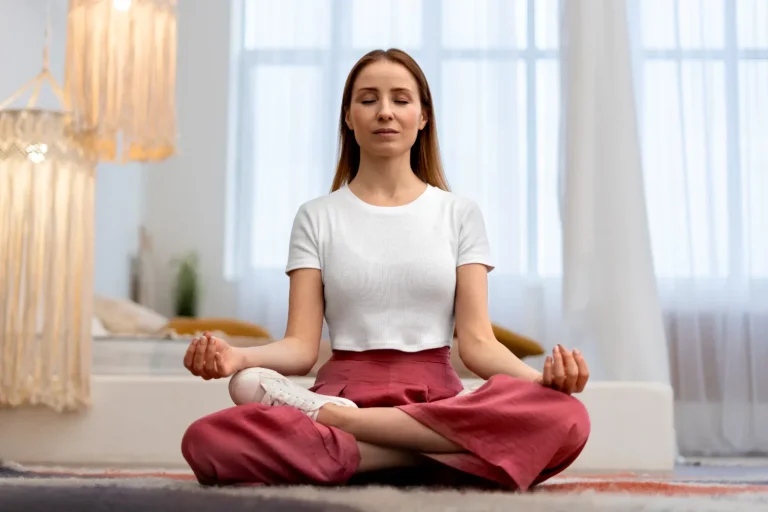
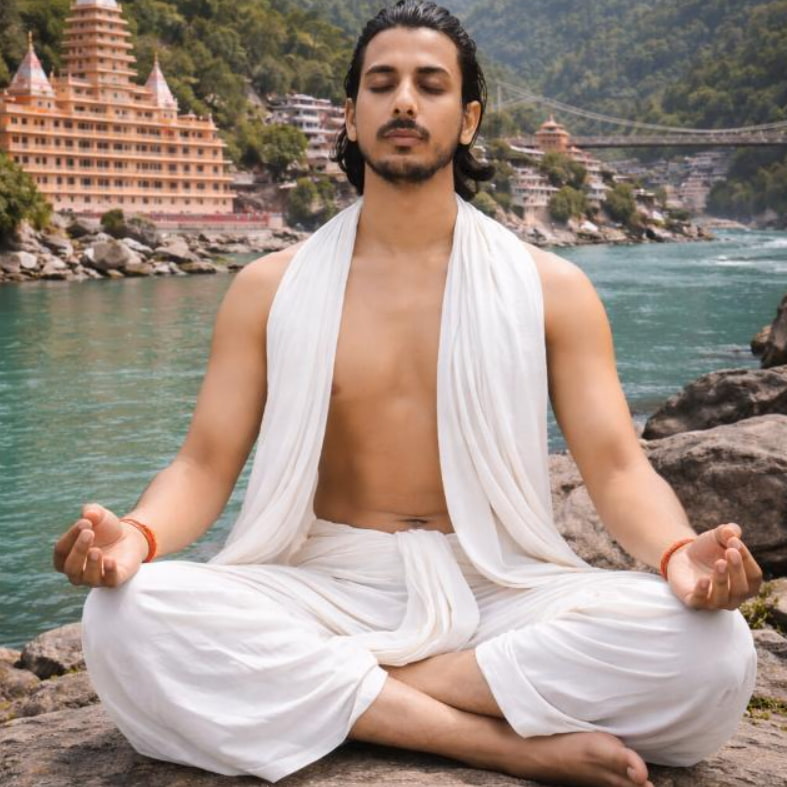
- A comfortable seat. Sit in Sukhasana, Padmasana, or Vajrasana, or upright on a chair with feet flat.
- A clear nose. Blow your nose first if you are congested.
Step-by-Step Technique
- Sit tall with a straight spine, relaxed shoulders, and a soft face. Rest your hands on your knees.
- Close your eyes and take two or three slow breaths.
- Inhale deeply through both nostrils and exhale fully to begin.
- Start slowly. Inhale with force through the nose, letting the belly expand and the chest lift slightly.
- Exhale with force through the nose, drawing the belly in.
- Keep the rhythm even, about one full breath (in and out) every second or two to begin with. Keep shoulders still.
- Do 10 breaths to complete the first set.
- Finish the round: take one deep inhale, hold for a few seconds only if comfortable, then exhale slowly.
- Rest with normal breathing for 30 to 60 seconds.
- Repeat for 3 rounds to begin with.
A Sensible Progression
- Week 1 to 2: 3 rounds of 10 breaths, slow and controlled
- Week 3 to 4: 3 rounds of 15 to 20 breaths
- Month 2 onward: 3 rounds of 20 to 30 breaths, if you feel comfortable
- Breath holding: skip or keep very short until the practice feels easy
Never chase speed. Control and rhythm matter more than the number of breaths.
Common Mistakes
Going too fast. Fast and sloppy breathing leads to dizziness and tingling. Start slow.
Lifting the shoulders and chest. The movement should come from the belly and diaphragm, not the shoulders.
Forcing the breath until you gasp. Strong is not the same as violent. Keep it controlled.
Tensing the face and neck. A clenched jaw is a sign you are overdoing it.
Holding the breath too long. Long retention raises pressure in the chest and head.
Ignoring dizziness or tingling. Stop immediately and breathe normally.
Practicing on a full stomach. This is the most common cause of nausea.
Who Should Avoid Bhastrika
Bhastrika raises pressure inside the chest and abdomen and changes heart rate and blood pressure. The following people should avoid it, or practice only with medical approval and expert supervision:
- High blood pressure or heart disease
- Pregnancy. Avoid it entirely.
- Hernia of any kind
- Recent abdominal or chest surgery
- Epilepsy or seizure history
- Glaucoma, retinal problems, or recent eye surgery
- Vertigo or frequent dizziness
- Asthma, COPD, or other chronic lung conditions, unless cleared by a doctor
- Stomach ulcers or severe acid reflux
- Panic attacks or severe anxiety. Fast breathing can trigger symptoms.
- Stroke history or aneurysm
- Menstruation, if you feel discomfort
Stop immediately if you feel chest pain, severe dizziness, nausea, numbness, or a sharp headache. A yoga teacher is not a substitute for medical advice.
Best Time and How to Fit It Into Your Day
Early morning is ideal, after freshening up and before breakfast. Avoid practicing late at night, since it is stimulating and may make it harder to sleep.
A simple 15-minute routine:
- 2 minutes of gentle neck and shoulder rolls
- 3 rounds of Bhastrika
- 5 minutes of Anulom Vilom
- 3 minutes of Bhramari
- 2 minutes of silent sitting
Always follow Bhastrika with calming practices so you finish steady rather than wired.
A Few Practical Tips
- Learn from a teacher first. Technique errors are hard to spot alone.
- Start with Kapalbhati and Anulom Vilom before adding Bhastrika.
- Practice consistently, not intensely. Ten focused minutes beats an occasional long session.
- Keep water nearby, but do not drink between breaths.
- Notice how you feel afterward. Alert and calm is good. Drained, dizzy, or irritable means reduce the pace or take a break.
- Stay relaxed. Strong breath, soft face.
The Bottom Line
Bhastrika is not a miracle cure, and it does not need to be. It is a simple, free, and powerful way to energize the body, sharpen the mind, and strengthen your breath control. The research is encouraging but still limited, and results depend on correct technique.
Start slowly, keep the rhythm controlled, and stop if anything feels wrong. The fire in the bellows should warm you, not burn you.
This article is for general information and is not medical advice. Consult a qualified healthcare professional before starting any breathing practice, especially if you have a medical condition.