Yoga at home
Yoga at Home: A Complete Guide for Beginners and Practitioners
In today’s fast-paced world, many people find it challenging to take out time for their health. Regular yoga practice can transform not only your physical strength but also your mental clarity and emotional balance. The best part is—you don’t always need a studio or a teacher to get started. Practicing yoga at home has become one of the most effective, affordable, and flexible ways to maintain overall well-being. Whether you are a beginner or an experienced practitioner, building a home yoga routine can help you stay consistent and reap long-term benefits.
Why Choose Yoga at Home?
Practicing yoga at home offers many advantages:
Flexibility of time – You don’t need to match class schedules. You can roll out your mat anytime, whether early morning, during lunch breaks, or before bedtime.
Cost-effective – Studio memberships can be expensive. At home, all you need is a mat and some guidance through books, apps, or online classes.
Personal comfort – At home, you can practice in your own space without feeling self-conscious, making it easier to experiment and grow.
Consistency – Building a daily yoga habit becomes easier when the practice is just a few steps away.
Setting Up Your Home Yoga Space
Creating the right environment is the first step in starting yoga at home. Here’s how to prepare:
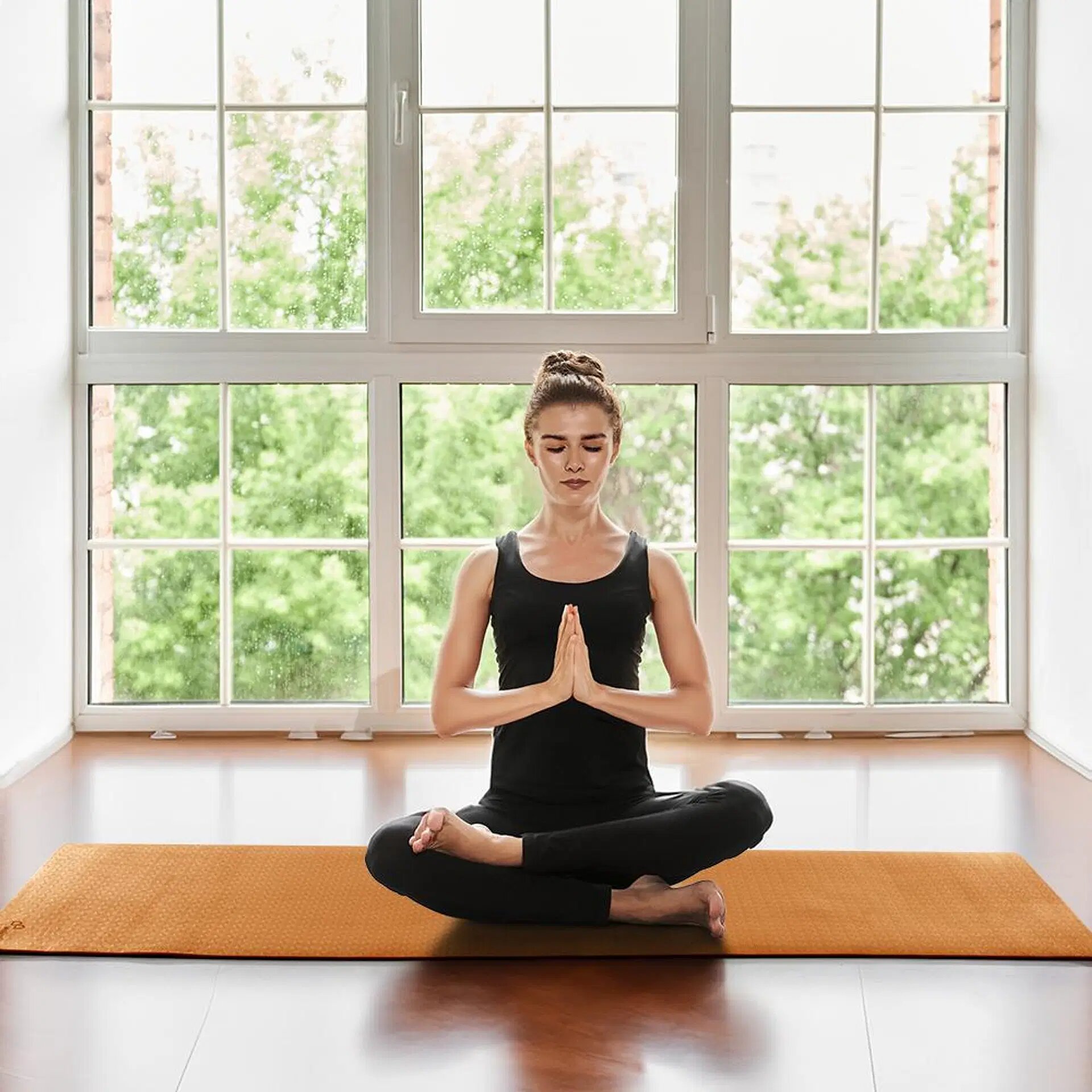
Choose a quiet spot – Select a calm and clutter-free area with enough space to stretch your body freely.
Get the essentials – A non-slip yoga mat is a must. Props like yoga blocks, straps, and cushions are helpful but optional.
Good ventilation – Fresh air keeps your energy levels up during practice. If possible, choose a spot near a window.
Ambience – Light a candle, play soft instrumental music, or use calming scents to make the space inviting.
How to Start Yoga at Home
If you’re a beginner, don’t worry about complex poses. Focus on the basics and gradually build up. Here’s a simple home yoga routine for beginners:
Breathing (Pranayama) – Begin with 5–10 minutes of deep breathing or simple practices like Anulom Vilom and Bhramari to calm the mind.
Warm-up stretches – Gentle neck rolls, shoulder rotations, and cat-cow stretches prepare your body.
Sun Salutations (Surya Namaskar) – A complete body workout that improves flexibility, strength, and stamina. Start with 3–5 rounds.
Standing poses – Try Tadasana (Mountain Pose), Virabhadrasana (Warrior Pose), and Trikonasana (Triangle Pose) to build stability.
Seated poses – Sukhasana (Easy Pose) or Vajrasana (Thunderbolt Pose) helps improve posture and digestion.
Relaxation (Savasana) – End with 5–10 minutes of deep relaxation to refresh the mind and body.
For guidance, you can use online yoga classes, YouTube tutorials, or mobile apps until you gain confidence to practice independently.
Benefits of Practicing Yoga at Home
Practicing yoga regularly from the comfort of your home provides numerous benefits:
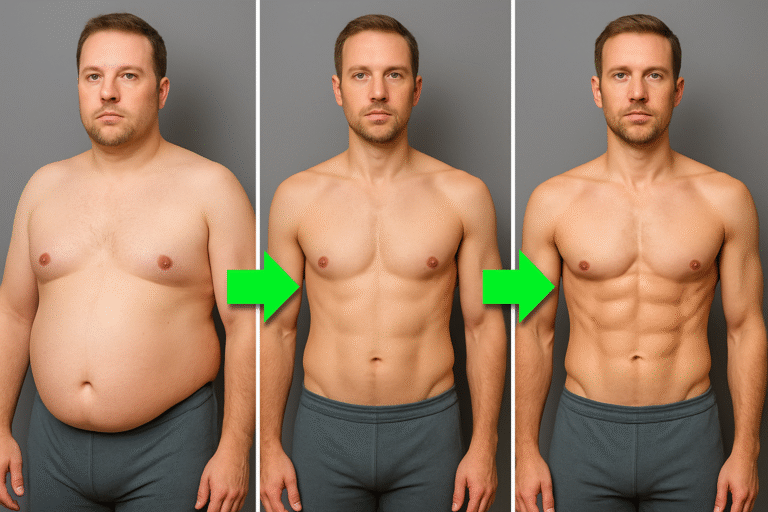
Physical health – Improves flexibility, strengthens muscles, enhances posture, and supports weight management.
Mental clarity – Reduces stress, improves concentration, and boosts overall mood.
Emotional balance – Helps manage anxiety, anger, and emotional ups and downs.
Spiritual growth – Provides an opportunity for self-reflection and inner peace.
Long-term consistency – Practicing yoga at home makes it easier to develop a daily routine without depending on external factors.
Tips for Staying Consistent with Yoga at Home
Many people start enthusiastically but lose motivation after a few days. To make home yoga practice sustainable, follow these tips:
Set a fixed time – Morning yoga is highly effective, but choose a time that fits your lifestyle.
Start small – Even 10–15 minutes daily is better than practicing once a week for an hour.
Follow online yoga sessions – Join live online yoga classes or recorded sessions to stay disciplined.
Track your progress – Keep a journal of poses, duration, and how you feel after each session.
Stay patient – Yoga is a journey, not a race. Focus on progress, not perfection.
Common Mistakes to Avoid
Skipping warm-up – Jumping directly into difficult poses can cause injuries.
Overdoing advanced postures – Beginners should avoid complex asanas like headstands or advanced backbends without guidance.
Inconsistency – Practicing only once in a while won’t give results. Daily or alternate-day practice is ideal.
Ignoring breath – Yoga is not just physical exercise; synchronized breathing is essential.
Online Yoga at Home
Technology has made yoga at home even more accessible. Many platforms offer online yoga classes for beginners, intermediate, and advanced practitioners. These classes often include:
Live yoga sessions with teachers.
Recorded classes you can follow at your own pace.
Customized yoga plans for weight loss, stress relief, flexibility, or meditation.
Online yoga not only saves time but also gives the feeling of being guided by a teacher while staying in your comfort zone.
Conclusion
Starting yoga at home is one of the best decisions you can make for your health and well-being. You don’t need expensive memberships or fancy equipment—just a small space, a yoga mat, and the will to begin. Whether you’re practicing simple breathing techniques, Sun Salutations, or advanced poses, consistency is the key. Over time, you will notice improved energy, reduced stress, better flexibility, and a calmer mind.
So, roll out your mat today, take a deep breath, and begin your journey of yoga at home—because your health is truly in your hands.